International Merlot Day, November 7 – a special selection of Right Bank Bordeaux wines 🍷 Explore the selection →
Bordeaux wines
Bordeaux is one of the most celebrated wine regions in the world and home to châteaux whose names are known to collectors and connoisseurs everywhere. Here you will find wines from both the left and right bank of the Gironde, from elegant Haut-Médoc to great vintages from Pauillac, Pomerol or Saint-Émilion. Browse by appellation, vintage or classification, and read below what sets each area apart.
-
 Bordeaux superieur
-
Cadillac Cotes de Bordeaux
-
Canon-Fronsac
-
Castillon Côtes de Bordeaux
-
Crémant de Bordeaux
-
Fronsac
-
Haut-Médoc, Médoc
-
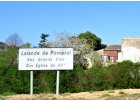
Lalande de Pomerol
-
Margaux
-
Montagne-Saint Émilion
-
Moulis
-
Pauillac
-
Pessac Leognan
-
Pomerol
-
Puisseguin-Saint-Émilion
-
Saint Emilion
-
Saint Estephe
-
Saint-Georges-Saint-Emilion
-
Saint Julien
-
Sauternes





Product sorting
502 items total
List of products

Action
€15.84
–10 %
€14.24
Château Moulin Haut-Villars 2023 comes from the Fronsac appellation on the right bank of Bordeaux, where...

€15.84
Château de Pitray 2018 is a full-bodied, aromatically rich red wine from the highly regarded Castillon...

€16.12
Château Marjosse Blanc 2021 is a blend of Sauvignon Blanc, Sémillon, Sauvignon Gris and Muscadelle...

€16.29
It is a beautifully structured wine of dark garnet colour. Rich tannins and black fruit...

€16.29
Château La Tonnelle 2020 is a rich and dense wine and has firm tannins along with woody black...

€17.35
"The dense tannins and fruit of this rich wine are very promising. Firm blackberry flavors are...

€17.39
The aroma is fruity, fresh, well balanced and offers little intensity. It reveals notes of violet, lily and...

New
€17.76
Château de Carlmagnus 2012 is an elegant and balanced wine that reflects the character of the Fronsac appellation. It has ...

€17.76
Château Landat 2019 is a fuller-bodied and richer wine from one of Bordeaux’s outstanding vintages.

Action
€20.20
–10 %
€18.16
Château Croix Mouton 2017 is an elegant and well-structured wine that combines the freshness...

€18.16
Château Landat 2021 is an elegant wine from the Haut-Médoc region, characterized by a fresh and delicate profile...

Bestseller
€18.86
The 2019 G de Guiraud is a dry white wine from the Sauternes region that stands out for its fresh elegance and rich...
Bordeaux wines: left bank and right bank
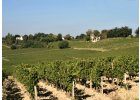
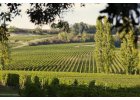
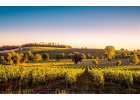
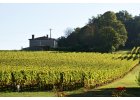
The Bordeaux wine region lies in south-west France around the Gironde estuary and its two rivers, the Garonne and the Dordogne. The rivers divide the region into two distinct styles, which complement each other in our selection.
The left bank (Médoc, Margaux, Pauillac, Saint-Julien, Saint-Estèphe, Pessac-Léognan) is built on gravel soils and Cabernet Sauvignon. The wines show firm structure, notes of blackcurrant and cedar, and pronounced tannins that make them age superbly. The right bank (Saint-Émilion, Pomerol, Fronsac, Castillon) lies on clay and limestone, where Merlot and Cabernet Franc dominate. The wines are fuller and more velvety, with ripe plum and spice, and approachable earlier.
Bordeaux appellations in our selection
- Haut-Médoc and Médoc – the classic left-bank style: firm, elegant wines.
- Margaux – finesse, aromatic depth and harmony.
- Pauillac – home to several of the most famous châteaux; concentrated wines with great ageing potential.
- Saint-Julien and Saint-Estèphe – balance and firm structure.
- Moulis and Pessac-Léognan – from spiced reds to fresh white wines of Graves.
- Saint-Émilion and its satellite appellations Montagne-Saint-Émilion, Puisseguin-Saint-Émilion and Saint-Georges-Saint-Émilion – the velvety Merlot of the right bank.
- Pomerol and Lalande de Pomerol – a small but renowned appellation with silky Merlot-based wines.
- Fronsac, Canon-Fronsac and Castillon Côtes de Bordeaux – full-bodied wines with a balance of quality and value.
- Bordeaux Supérieur and Cadillac Côtes de Bordeaux – an accessible way into the world of Bordeaux.
- Sauternes – sweet wines from grapes touched by noble rot, with notes of honey and nuts.
- Crémant de Bordeaux – sparkling wine made by the traditional method.
Bordeaux classifications
Several classifications help you navigate the region. The best known dates from 1855, created for the Paris World Exhibition, and ranks the finest red wines of the Médoc (plus Château Haut-Brion from Graves) in five levels, from 1er Grand Cru Classé to 5e Grand Cru Classé. The sweet wines of Sauternes are classified separately. Below this level, the Cru Bourgeois designation covers three tiers (Cru Bourgeois, Supérieur and Exceptionnel). Saint-Émilion has its own classification, which is updated periodically, whereas Pomerol has no official classification and its reputation rests on the names of individual châteaux.
Bordeaux vintages
The vintage shapes both the style of a Bordeaux and the right time to open it. Generally highly regarded vintages include 2005, 2010, 2015, 2016, 2018, 2019 and 2020. Wines from renowned châteaux can age for several decades, while simpler wines are approachable sooner. See the complete overview under Wines by vintage. For special occasions we also offer large formats in XXL wines, and selected bottles in our Gifts section.
Serving and food pairing
Serve red Bordeaux at 16–18 °C; younger, more tannic vintages benefit from decanting for an hour or two beforehand. Left-bank wines pair with lamb, beef, game and mature hard cheeses. Right-bank wines suit duck, mushroom dishes and roasted meats. The white wines of Pessac-Léognan go well with seafood and fish, and Sauternes with foie gras and blue cheese.
Frequently asked questions
How long should I cellar a Bordeaux?
It depends on the level of the wine and the vintage. Simpler Bordeaux Supérieur and Cru Bourgeois wines are enjoyable within a few years, while wines from classified châteaux can age for decades.
Which Bordeaux should I start with?
A good starting point is a wine from Haut-Médoc or Bordeaux Supérieur from a good vintage. If you prefer a fuller, softer style, choose a wine from Saint-Émilion or Fronsac.